Scaffolding or a scaffold is a vital structure in construction projects. You can also see it used in concerts, exhibits, grandstands, etc. Read more about scaffolding below.
Table of contents
- What a scaffolding is and its types
- What are the different scaffold parts
- What are the different scaffolding materials
- Should you buy or rent scaffolding
- Amazing scaffolding that can save you time and money
- Set up scaffoldings in less than 5 minutes
What a scaffolding is (scaffolding definition) and its types
What is a scaffolding?
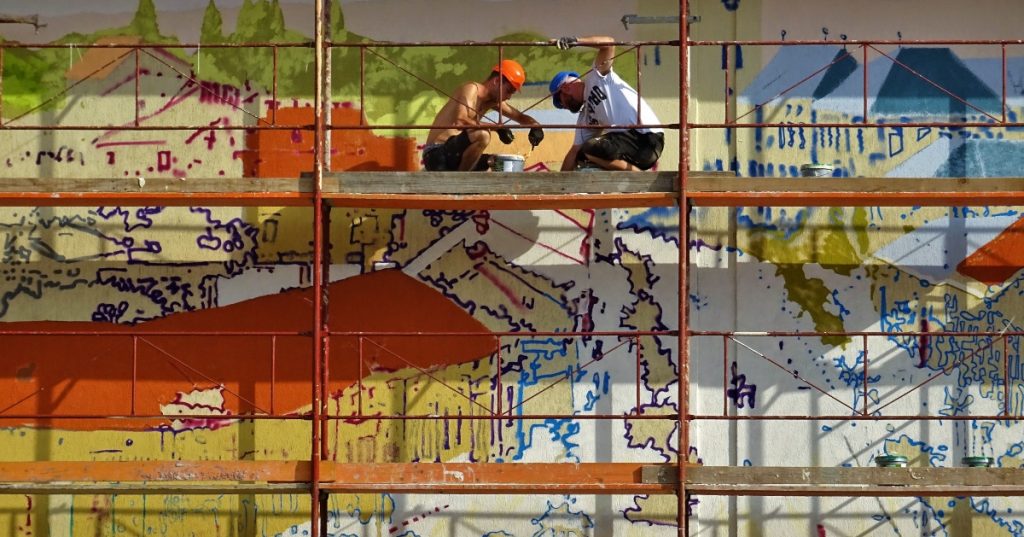
A Scaffolding, also called a scaffold or a staging, is a temporary structure to aid in the construction, maintenance, and repair of buildings, bridges, and infrastructure. Scaffoldings are also used in adapted forms for concert stages, viewing towers, exhibition stands, ramps, art projects, and grandstand seating.
Scaffoldings are temporary platforms that help support workmen and their materials to make their work safer and more efficient. The structures are typically built of tubes, couplers, and boards made from steel or wood.
What are the types of commonly used scaffoldings?
There are different types of scaffolding used all over the world today. These include the H-frame scaffolding or the facade modular system scaffold, tube and clamp (tube and coupler) scaffolding, prefabricated modular scaffolding system, needle or cantilever scaffolding, suspended scaffolding, and trestle scaffolding.
What are H-frame Scaffolding / Facade Modular System Scaffolds?

H-frames are one of the most common forms of scaffoldings. These are also called us mason’s scaffoldings or double scaffoldings. They are normally used by almost all works in the construction industry: carpenters for ceiling installations, electricians for lighting installations, mason for plastering walls, painters for wall and ceiling jobs, and crew for the signage installations. Heard of Non-stop Workhorse? It is an amazing innovation of the scaffolding, particularly on masonry scaffoldings, that can save you a lot of time and money. To rent an H-frame scaffolding in Cebu, contact us.
What is tube and clamp scaffolding?
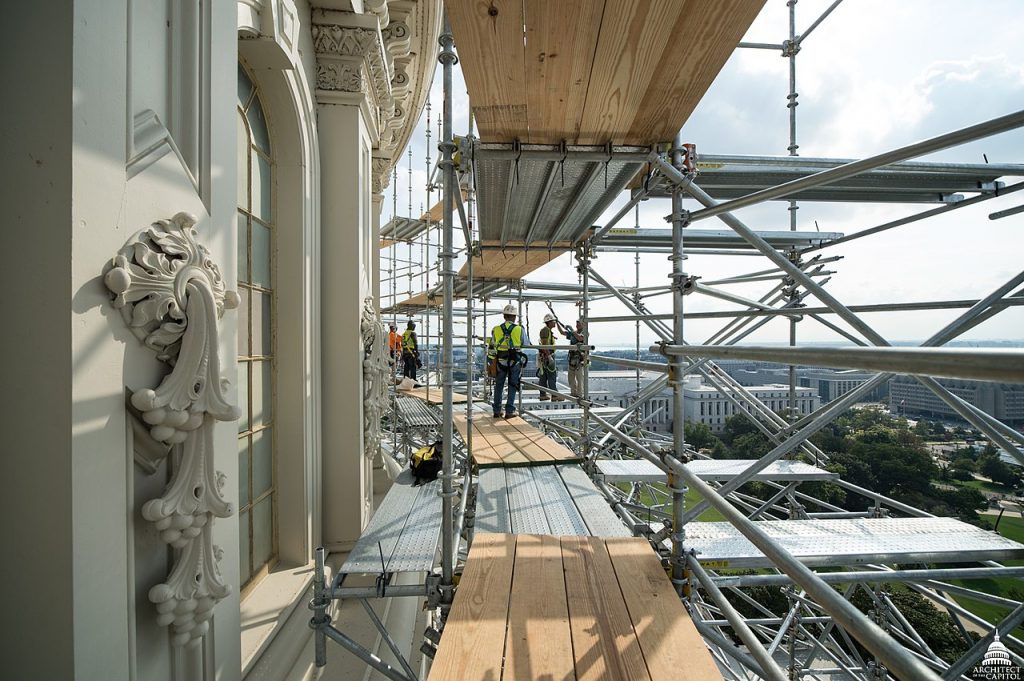
Tube and clamp scaffold (commonly called tube and coupler scaffold) is a versatile type of scaffold consisting of steel tubes and clamps. The vertical tubes are connected to the horizontal tubes using right-angle clamps. Diagonal tubes are also connected to the scaffold using swivel clamps to add stability to the structure. Tube and clamp scaffolding is among the most labor-intensive of all scaffolding applications. Therefore, it is generally used only when high capacity, unlimited adaptability, and versatility are needed.
What is prefabricated scaffolding?
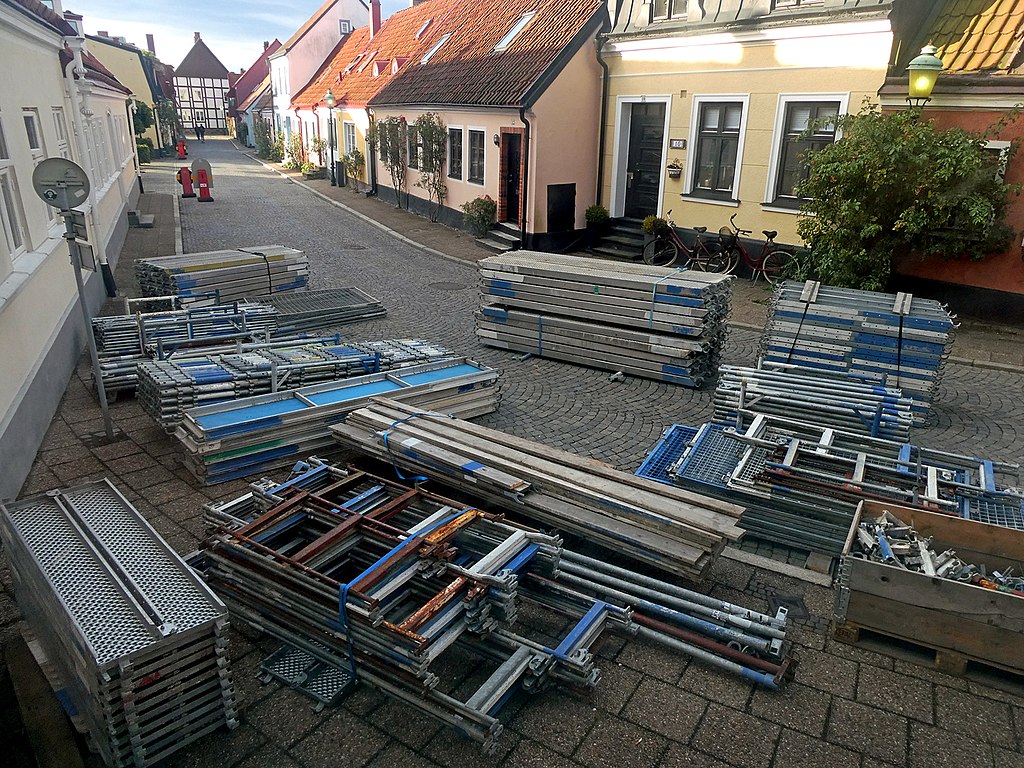
The prefabricated scaffolding is derived from the tube and clamp method. Also known as modular or system scaffolding, it is composed of tubes and posts that are pre-made and connected according to the needs of the job.
This type of scaffolding is efficient, flexible, and can be used for various applications. They are easy to transport and convenient since you can stack the tubes on top of each other and assemble them in the project area. In addition, you can simply adjust the height and width of the scaffolding according to your need. Finally, you can use the same components for different projects, making it cost-effective.
What is needle scaffolding or cantilever scaffolding?
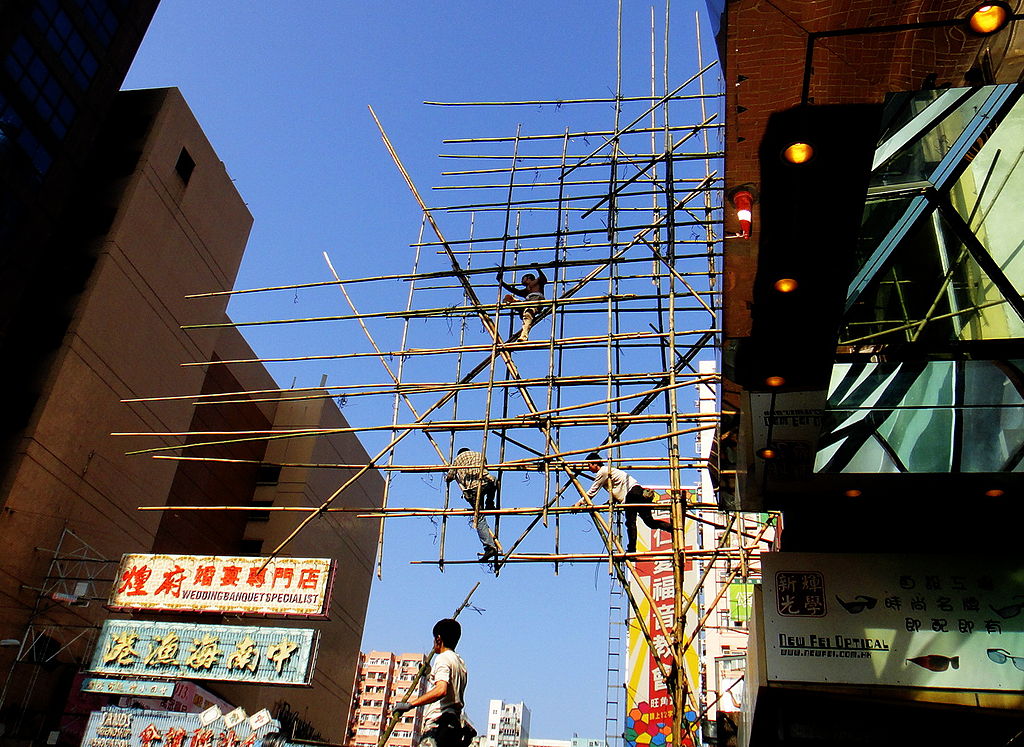
Needle or cantilever scaffolding is a type of scaffold that is angled out from the building or structure, usually near balconies. This type of scaffolding is fit for structures where creating a platform from the ground is not possible or difficult. It is called needle scaffolding since a needle usually made from timber supports the scaffold on all sides.
What is suspended scaffolding?

Suspended scaffolding are platforms suspended by fiber or metal ropes from a structure overhead. The cord allows the scaffold to be raised and lowered to different levels of the work area. Suspended scaffoldings are commonly used in the construction of tall buildings, window washing, exterior building painting, and building maintenance.
What is trestle scaffolding?
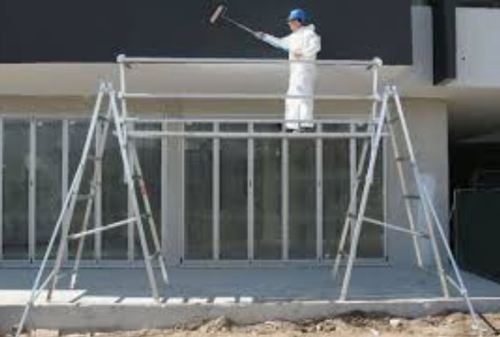
This type of scaffolding is made of a horizontal plank, metal board, or wood deck supported by a metal trestle or a support frame with a tripod or inverted V form. It is recommended for use on projects up to 3 meters high.
For further reading, check this out: Scaffolding Parts and Scaffolding Types
References:
- https://en.wikipedia.org/wiki/Scaffolding
- https://www.britannica.com/technology/scaffold-construction
What are the different scaffold parts
Different types of scaffolding typically include the following parts:
- Base jack – This is also called a plate used as the load-bearing base for the scaffolding structure.
- Standards – The standards are the vertical scaffolding parts used with connector joints. They are supported or embedded on the ground or on drums.
- Ledgers – These are the horizontal braces of the scaffolding made of tubes positioned between two standards.
- Putlogs – These scaffolding components connect the ledger to the wall of the wall building being worked on.
- Transom – A transom is a type of putlog supported by both ledgers.
- Bridles – These scaffolding parts support one end of the putlogs and bridge a wall opening.
- Braces– Braces are diagonal or cross section parts of scaffolding that are fixed to the standards.
- Batten or boarding – This part of scaffolding is the horizontal working platform that supports the workers and their materials.
- Guard rail – This protective rail is included in the scaffolding to prevent workers from falling off the platform. The guard rail usually consists of a top rail and a mid-rail.
- Toe boards – Toe boards consist of parallel board sets that run around the working platform. These boards are put over putlogs to protects workers at the platform level.
- Ladder scaffolding – The ladder allows workers to easily go up and down the scaffolding.
- Scaffolding wheels – These are wheels at the bottom of the scaffold that allow workers to easily move the scaffolding structure from one spot to another.
- Coupler – A coupler is a fitting that links and joins tubes and other scaffolding parts together.
- Scaffold tie – This device is used between scaffold parts and the building or other structures. It is used to prevent lateral movements of the scaffold.
- Brackets – These are used to lengthen the width of the boarding or working platforms.
For further reading, check this out: Scaffolding Parts and Scaffolding Types
Reference: https://en.wikipedia.org/wiki/Scaffolding
What are the different scaffolding materials
Scaffolding parts can be made of different materials, including wood and metal.
What are timber scaffolds?
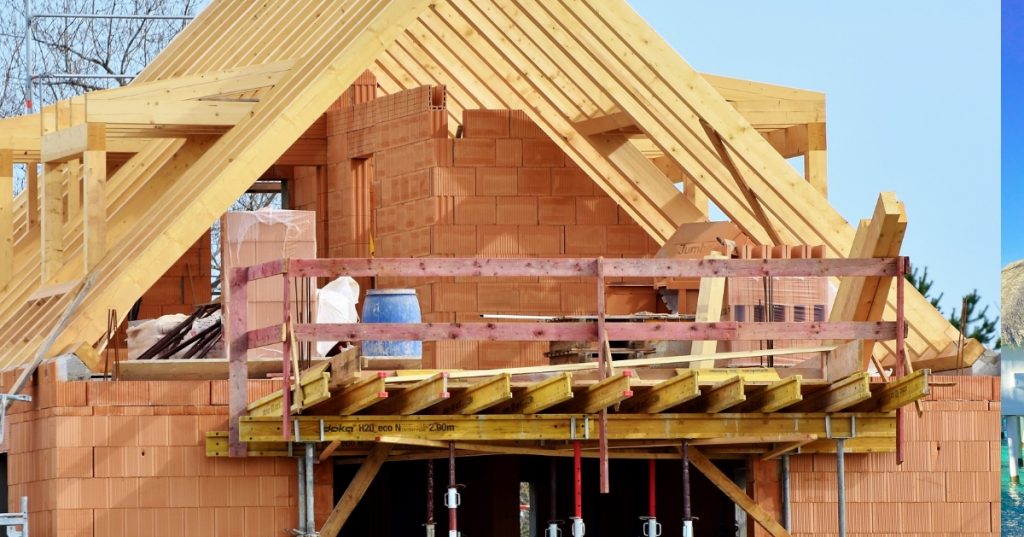
In timber scaffolding, the frame made from timber is created and set up at the project site. The structure may consist of vertical, horizontal, and diagonal parts that support each other to make a study scaffolding.
What are bamboo scaffolding materials?
Another popular wooden material used in scaffolding is bamboo. Bamboo is still very commonly used in many countries. Bamboo is lightweight but is strong and durable. It is also considered safer by some workers in case of slips and falls.
What are metal scaffold materials?
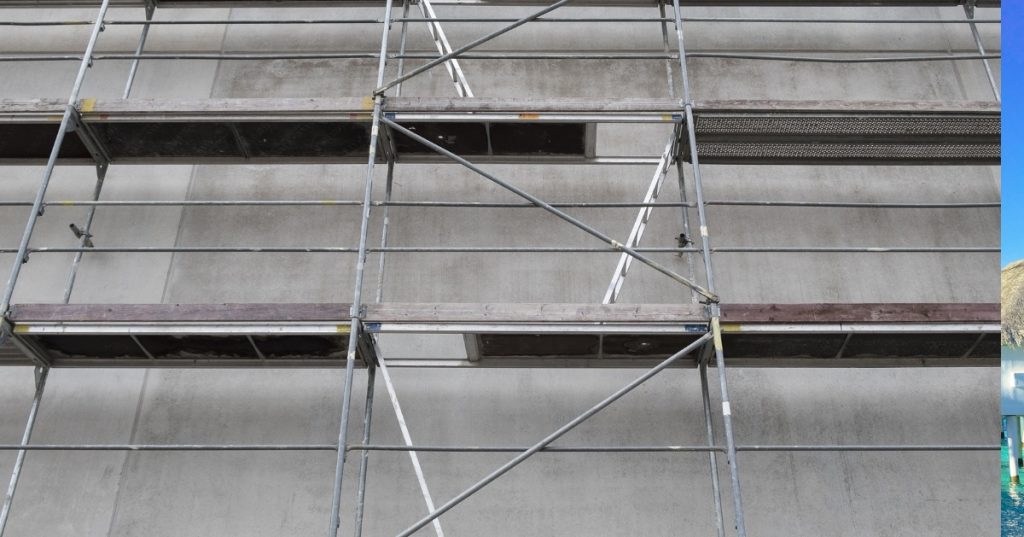
Nowadays, many scaffolding materials are made of metal tubes and couplers. These metals include steel, known for its sturdiness, and aluminum, known for being lightweight.
Should you buy or rent scaffolding
Scaffolding is a crucial structure in construction, renovation, cleaning, maintenance, and repair projects. If you wonder which is a more practical choice – to buy or rent scaffoldings, we are laying out different factors to help you decide.
Before we go into the factor, let us quickly learn some information about scaffoldings.
What is scaffolding?
Scaffolding or scaffold is a temporary platform that helps support workmen and their materials during a project to make their work safer and more efficient. The scaffolding structure is usually made of tubes from steel or wood, couplers, and boards professionally built together to create a stable and secure frame. Workers use a scaffold to access certain heights and areas usually challenging to access and go to.
When do you need scaffolding?
You are going to need scaffolding when you are doing projects that involve height and some materials. These include constructing, renovating, and repairing houses, commercial buildings, and other man-made structures like bridges, fences, and more. Apart from the construction activities, you will also need scaffolding in repairs, maintenance, renovation, cleaning, and installation projects involving heights. When a ladder is not enough for higher, bigger, and more complex projects, a scaffold will make your job easier and safer.
Who uses scaffolding?
Builders and those in the construction business are the ones who often use scaffolding for their projects. But even if you are a regular homeowner, you may also need to use a frame for your home projects. In addition, painters and those in the business of installing items like solar panels, security systems, and more may also use scaffolding to make their job safer and more convenient.
Should you buy or rent scaffolding?
Scaffolding rental or purchase – which one is right for you? To make the correct choice, you have to consider some factors, including frequency of use, space, expertise, and cost.
1. How often will you use a scaffold?
Scaffolding is not a cheap and easy investment. When you decide to buy scaffolding, you need to ensure you make the most of what you are spending. The first thing you need to deliberate is how often you will be using scaffolding.
If you are in the construction, repair, or installation business, it might be a great idea to invest in a scaffold. This way, the structure is always ready when you need it. It might also be cheaper in the long run, considering the frequency of your use. When you’re not using it, you may also consider doing a scaffolding rental business for those who need it. This is especially advantageous if there are not so many scaffolding rentals available in your area.
If you need scaffolding for single-use, the clear choice is to rent scaffolding. However, it is also the better choice if you occasionally use the structure. This way, the materials to make a scaffold will not go to waste after use. Besides, it is a lot more expensive to buy than to rent scaffoldings where you only pay when you need them.
2. Do you have enough space to store scaffolding materials?
Space is another factor to consider when deciding to purchase or opt for scaffolding rental. Scaffolding materials take up space. So if you choose to buy scaffolding, you need to make sure you have enough space to keep the tubes, the boards, and connectors. If you don’t have the storage space, you would better rent a scaffold when you need it.
3. Do you have the expertise in setting up a scaffold?
A scaffold is an essential structure that needs to be set up correctly to avoid safety hazards. If you want to get one, you need to know how to properly install it. If you have been in the construction business, you may have the expertise to set it up. However, if you are not familiar with scaffoldings, you may not have the skills to do it. So if you only plan on using it once or occasionally, renting scaffolding might be a better choice. This way, you don’t have to worry about properly installing the scaffold and posing a hazard to yourself or your workers.
Conclusion
Scaffolding is essential for construction, repair, maintenance, and installation projects, but it is not cheap. If you think you will be using it often and have the space to store it and the installation know-how, buying one can be a great decision. However, if you only use it occasionally and don’t have enough space to keep the materials or don’t have the skills to set it up correctly, you’d be better off renting scaffolding.
You just need to find a reliable scaffolding rental in your area so that you can be assured of safety and value.
Amazing scaffolding that can save you time and money
Save time and money on masonry cost by using the right type of scaffolding for the job.
Normally, frames make you stop working about 3 times on a 14-foot wall. That is probably around 10 blocks per mason lost whenever they stop. And that is 30 blocks for 3 stops. Let us say you have 4 masons working, that is 1about 20 blocks per day lost. Are you willing to throw away that much time and money simply because of scaffolding adjustments? How about if there is a way to speed up work or lessen the stops? I’m sure as a project owner or manager, that you would be pleased to use it.
Non-Stop WORKHORSE scaffolding is jacked up in 1-3/4 inch increments with a jack handle that is moved from tower to tower. The long stroke on the handle gives you plenty of leverage to jack the platform when loaded with materials. To lower the scaffolding, simply raise the holding dog and “click” it down 1-3/4 inches at a time. The holding dog is a foolproof escapement mechanism. In addition, there is an inertial safety catch on the carriage.
Check out the video and the image to see non-stop WORKHORSE in action:

Source: nonstopscaffolding.com
Set up scaffoldings in less than 5 minutes
Having a system makes work more efficient; and this holds true for all types of construction work.
We know for a fact that we spend more time setting up our scaffoldings during the initial phase of a task or project. More time setting up scaffoldings, means less time on doing the actual work of the project/job.
Check out this video on how they set up their scaffoldings in less than 5 minutes.
https://www.youtube.com/embed/2VpSw-bzdzE
(UPDATE: This video is no longer available)